
Jelly Belly® Blog
Discover gourmet jelly bean recipes, flavor pairing guides, company history, and sweet candy inspiration.
2026 Best Cold Stone Ice Cream Mix Jelly Beans Supplier
Table of Contents
- Product Definition and 2026 Specifications for Ice Cream Mix Jelly Beans
- FDA’s 9 Major Allergens and 21 CFR 101 Labeling Requirements
- Cold-Chain Benchmark: ≤5°C (41°F) Under the 2022 FDA Food Code
- Supplier Evaluation: MOQ, Lead Time, Capacity, and Batch Traceability
- 2026 Supplier Comparison Using Cost, Compliance, Quality, and Customization
- FAQS
- Conclusion
- Related Posts
Choosing a reliable supplier is central to any 2026 strategy involving Cold Stone Ice Cream Mix Jelly Beans. These colorful inclusions must deliver more than visual appeal. They should provide a clean crunch, stable flavor, and consistent size in every batch.
John Harrison, a widely recognized ice cream quality expert, has expressed a principle that applies directly here: “You cannot make great ice cream with poor ingredients.” His view remains practical. Jelly beans should complement the ice cream base, not overpower it. Suppliers need to explain their sugar shell, gel center, flavor sources, and storage requirements. Clear documentation matters.
The strongest suppliers provide batch records, ingredient specifications, allergen information, and traceable production details. They also test how the jelly beans perform after mixing, freezing, transport, and display. A bright coating may look attractive at first. It can still bleed color into vanilla ice cream later.
That small detail matters.
Buyers should request samples before signing a large order. Compare texture after twenty-four hours in a frozen environment. Check whether the candy becomes too hard, sticky, or dull. Some suppliers promise customization, but their minimum quantities may be impractical. Others offer lower prices while providing weaker consistency.
This guide examines supplier reliability, product quality, customization, packaging, and responsible sourcing. It also considers an uncomfortable truth: the cheapest option is rarely the safest long-term choice. Even experienced buyers can overlook seasonal changes or incomplete documentation. Careful testing remains necessary.
For businesses seeking dependable Cold Stone Ice Cream Mix Jelly Beans, trust should be earned through evidence, not attractive photographs or confident sales language.
Product Definition and 2026 Specifications for Ice Cream Mix Jelly Beans
2026 Best Cold Stone Ice Cream Mix Jelly Beans Supplier
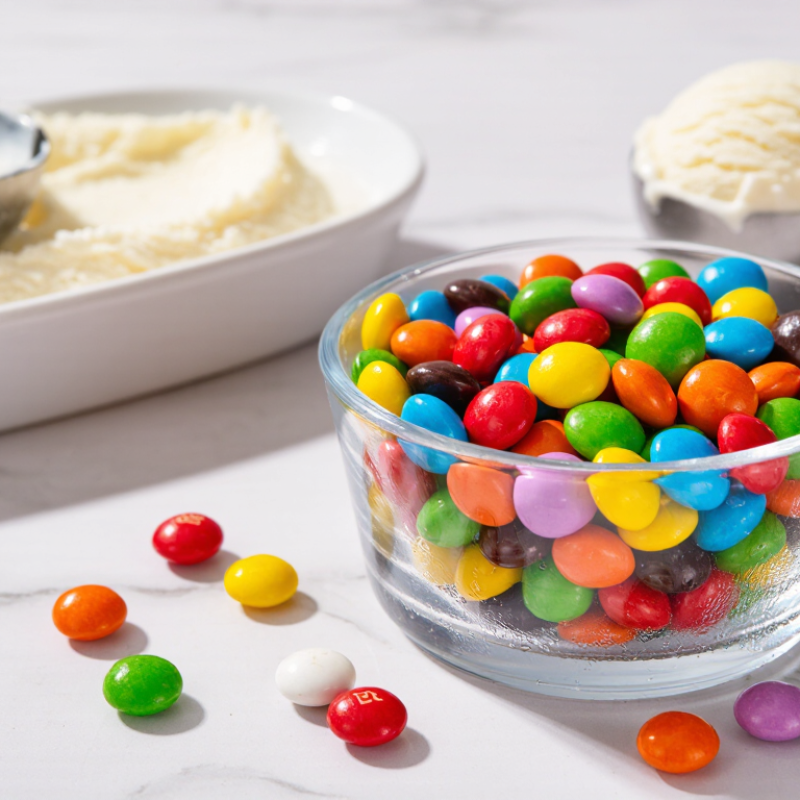
Ice cream mix jelly beans are small, coated confectionery pieces designed for cold-stone ice cream preparation. They add chewy texture, bright color, and concentrated flavor without melting quickly. In 2026, practical specifications should include a consistent 8–12 mm size, firm centers, and a low surface moisture level. These details help prevent clumping during storage and mixing.
A dependable supplier should provide ingredient declarations, allergen information, batch records, and independent laboratory test results. Food-grade packaging should protect the beans from humidity, heat, and odor transfer. A stable product usually offers a clearly stated shelf life, often between nine and twelve months, depending on the recipe and package barrier. Sugar content, artificial coloring, and flavor intensity should be checked against the target market. Some batches may feel slightly harder than expected. That is worth reviewing, not ignoring.
Tips: Request samples from two or three production batches. Test them in ice cream at serving temperature, then inspect color bleeding after ten minutes. Ask for moisture data, microbial limits, and packaging specifications. Smaller pieces may mix better, but they can lose their visual impact. Record customer feedback before confirming a large order.
FDA’s 9 Major Allergens and 21 CFR 101 Labeling Requirements
For a 2026 frozen dessert mix and jelly bean supplier, allergen control must begin before production. The FDA recognizes nine major allergens: milk, eggs, fish, crustacean shellfish, tree nuts, peanuts, wheat, soy, and sesame. Sesame became the ninth major allergen in 2023. FARE estimates that about 33 million Americans live with food allergies, making small labeling errors serious. See the FDA Food Allergen Labeling and Consumer Protection guidance and FARE’s public allergy data.
Under 21 CFR 101.4, ingredients must appear in descending order by weight. Composite ingredients need their sub-ingredients listed. A milk-based mix should identify milk clearly, not hide it behind vague wording. The allergen source must appear in the ingredient list or a separate “Contains” statement. For example: “Contains: Milk, Soy, and Wheat.” “May contain” language does not replace sanitation and supplier controls.
Jelly beans create another risk. Shared lines may expose products to peanuts, tree nuts, sesame, or soy. A reliable supplier should maintain lot records, validated cleaning procedures, allergen training, and written specifications. FDA’s 2023 Food Labeling Guide also stresses readable, truthful declarations. Use plain language. Tiny type is technically possible, but practically weak. That is where my view becomes less certain: testing reduces risk, yet it cannot repair an incomplete label or poor traceability. Every batch should receive a documented label review before shipment.
Cold-Chain Benchmark: ≤5°C (41°F) Under the 2022 FDA Food Code
For a reliable ice cream mix and jelly bean supplier, the 2022 FDA Food Code offers a useful cold-chain benchmark: 41°F (5°C) or below. This limit matters for dairy-based mixes during storage, loading, transport, and delivery. A supplier should record temperatures at each transfer, not only at dispatch. Digital logs help, but a calibrated probe still provides direct evidence.
Jelly beans are usually shelf-stable, so they may require different handling from the frozen or chilled mix. They should stay dry, sealed, and protected from heat. The supplier must prevent condensation, crushed packaging, and cross-contact during packing. Insulated vehicles, clean containers, and clearly labeled batches show practical control. Ask for receiving instructions, lot records, and corrective-action reports.
Small details matter.
At delivery, inspect the carton condition before signing. Measure the mix temperature between packages when possible. A reading above 41°F should trigger documented review, especially if exposure time is unclear. Not every supplier maintains perfect records. That is a weakness worth discussing, not hiding. Strong partners explain the cause, isolate affected stock, and improve the process. Regular audits should check thermometer calibration, route delays, employee training, and emergency response. Reliable sourcing depends on repeatable evidence, not attractive claims.
Supplier Evaluation: MOQ, Lead Time, Capacity, and Batch Traceability
Choosing the 2026 best cold stone ice cream mix jelly beans supplier requires more than comparing prices. MOQ should match your sales forecast, storage space, and trial budget. A reasonable starting MOQ supports testing without creating excess stock. Ask whether the supplier offers mixed colors, flavors, or packaging sizes within one order.
Lead time must include production, quality checks, and shipping preparation. Request a written timeline for samples and repeat orders. For example, sample approval may take seven days, while regular production may need three to five weeks. Ask for weekly capacity during peak seasons. A factory may quote large output, but available capacity can change quickly. Ask for evidence.
Batch traceability protects product consistency. Each carton should connect to a batch code, production date, ingredient records, and inspection results. The supplier should explain how they handle complaints and retain reference samples. Temperature and humidity records are useful when candy texture changes during storage. Small gaps matter.
Do not rely only on certificates or polished presentations. Review recent batch documents, packaging photos, and a small pilot order. A clean spreadsheet can still hide a weak process. My evaluation would leave room for doubt when records are incomplete. That discomfort is useful. It encourages a second audit before signing a long-term supply agreement.
2026 Supplier Comparison Using Cost, Compliance, Quality, and Customization
Choosing a cold stone ice cream mix jelly beans supplier requires more than comparing unit prices. A reliable buyer should assess total cost, including samples, molds, freight, storage, and rejected batches. Cheaper beans may soften quickly on frozen desserts. That creates waste.
Compliance should be checked before commercial discussions. Request ingredient statements, allergen declarations, batch records, and recent laboratory results. Food safety certifications can support credibility, but documents need verification. Confirm whether the supplier follows your destination market’s labeling and hygiene requirements. Traceability matters. Each delivery should connect to a clear production lot.
Quality testing should examine color stability, shell texture, flavor accuracy, and resistance to moisture. Ask for samples on actual ice cream surfaces, not only in dry packaging. Customization may include bean size, color palette, filling, flavor, packaging, and seasonal shapes. However, highly customized orders often require larger minimum quantities and longer lead times. One overlooked issue is cleaning validation between flavor changes. I would not assume a polished sample represents every batch.
Tips: Build a comparison sheet with cost, compliance, quality, and customization scores. Keep retained samples from each shipment. Measure texture after seven and fourteen days. Ask suppliers to explain failed tests openly. Their response reveals practical experience.кийә
FAQS
They are small, coated confectionery pieces for frozen dessert preparation. They add chewiness, color, and concentrated flavor. They should resist quick melting.
A practical size is 8–12 mm. Centers should feel firm, with low surface moisture. These features reduce clumping during storage and mixing.
Food-grade packaging should block humidity, heat, and unwanted odors. Sealed bags should prevent condensation and crushed pieces. Packaging details matter.
Request ingredient statements, allergen information, batch records, and laboratory results. Each delivery should connect to a clear production lot. Missing records create uncertainty.
Keep dairy-based mix at 5°C or below during storage and transport. Record temperatures at loading, transfers, and delivery. A calibrated probe provides useful evidence.
Usually, no. Jelly beans are commonly shelf-stable, but they must stay dry, sealed, and away from heat. Prevent cross-contact during packing.
Test samples from two or three production batches. Mix them into ice cream at serving temperature. Check texture, color bleeding, and flavor after ten minutes.
Compare total cost, compliance, quality, and customization. Include freight, storage, molds, samples, and rejected batches. Low prices may hide higher waste.
Suppliers may adjust size, colors, fillings, flavors, packaging, or seasonal shapes. Custom orders can require higher minimum quantities and longer lead times. Details may disappoint.
Inspect cartons before signing and retain samples from every shipment. Measure texture after seven and fourteen days. A polished sample cannot represent every batch.
Conclusion
This guide explains how to identify a reliable 2026 supplier of Cold Stone Ice Cream Mix Jelly Beans by examining product specifications, food safety, logistics, and commercial performance. It defines the expected jelly bean format, flavor compatibility, texture, color stability, packaging, shelf life, and customization options for use in ice cream mixes. It also highlights the importance of reviewing the FDA’s nine major allergens and meeting applicable 21 CFR 101 labeling requirements, including accurate ingredient, allergen, nutrition, and net quantity information.
A practical supplier evaluation should compare minimum order quantities, lead times, production capacity, quality-control procedures, and batch traceability. Because temperature-sensitive ingredients may require controlled handling, suppliers should demonstrate appropriate cold-chain practices, with a benchmark of no more than 5°C (41°F) when applicable under the 2022 FDA Food Code. The final comparison should balance total cost, regulatory compliance, product consistency, documentation, delivery reliability, and the ability to create customized flavors, colors, and packaging for 2026 production needs.

Blog Tags: