Official News & Flavor Stories

Jelly Belly® Blog

Discover gourmet jelly bean recipes, flavor pairing guides, company history, and sweet candy inspiration.

0%

Choosing the right suppliers for Soda Pop Shoppe Jelly Beans takes more than comparing prices. Buyers should check product specifications, ingredient disclosures, allergen information, packaging options, and realistic delivery timelines. A sample can reveal details that a catalog cannot: whether the colors look consistent, the jelly beans arrive intact, and the packaging suits retail shelves. Small details matter.

For a clearly illustrative perspective, fictional confectionery sourcing analyst Elena Brooks offers this reminder: “A dependable supplier makes quality and lead times easy to verify.” Treat that as a buying principle, not a real-world quotation. In 2026, this guide will help retailers, distributors, and event planners compare suppliers using practical questions about minimum orders, sample policies, documentation, and customer support. Ask how product changes are communicated. Confirm what happens when a shipment arrives late or damaged. A polished website is useful, but it cannot replace clear answers and written terms. Some supplier details may be hard to compare, and that is worth admitting. Reliable decisions come from checking the evidence, testing samples, and matching each supplier to your actual sales needs.
2026 Best Soda Pop Shoppe Jelly Beans Suppliers

Understanding Soda Pop Shoppe Jelly Beans and Their Market

Soda Pop Shoppe jelly beans sit at the intersection of nostalgic sweets and playful gift retail. Their appeal often comes from bright colors, recognizable soda-inspired flavors, and a chewy shell that works well in jars or party favors. Demand can rise around holidays, local events, and summer promotions, though sales vary by region and store type. Buyers should compare flavor variety, pack sizes, and repeat-order availability rather than relying on novelty alone. Small details matter.

For suppliers, dependable quality means more than an attractive sample. Check that later batches match the sample in flavor, color, and texture. Ask for clear ingredient and allergen information, production dates, shelf-life guidance, and case dimensions before ordering. Packaging should protect the candy from moisture and handling damage. A low unit price may be less appealing if minimum quantities are high or shipping costs erase the savings. I would still test a modest order first; samples do not always reflect full production.

Tips: Store samples sealed, dry, and away from heat. Compare them after opening, not just on arrival. Record any differences before placing a larger order.

Types, Ingredients, Packaging, and Product Specifications

2026 Best Soda Pop Shoppe Jelly Beans Suppliers

Types, Ingredients, Packaging, and Product Specifications

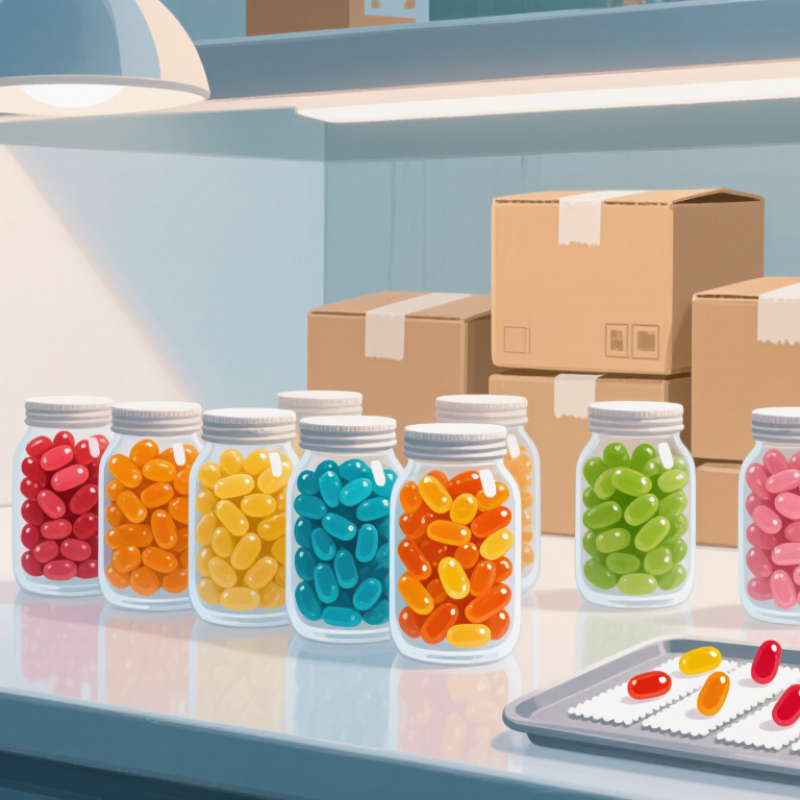
Soda-pop-inspired jelly beans often come in cola, root beer, cream soda, and fruit-soda profiles. Ask suppliers for a current flavor list, sample lot, and written product specification. Check bean size, count per kilogram, shell uniformity, color consistency, and breakage rate. A shiny shell is not enough.

Ingredients commonly include sugar, glucose syrup, starch, flavorings, and glazing agents. Request allergen statements, ingredient-origin details, and batch-level certificates of analysis. The National Confectioners Association’s 2024 State of Treating report put U.S. confectionery sales at about $48 billion in 2023, showing the category’s scale. That figure does not predict demand for a particular jelly-bean flavor. Taste-test samples, including after storage; aroma can fade.

Packaging affects freshness and handling. Compare resealable pouches, jars, and food-grade bulk liners, then check seal integrity and storage guidance. Ask for net weight, shelf-life data, case dimensions, and lot coding. Keep labels readable. One weak point: buyers may overlook how easily bright colors transfer when beans rub together. Verify color stability and packaging performance with a small trial before ordering at scale.

How to Identify Reliable Jelly Bean Suppliers in 2026

A polished catalog is not enough when evaluating jelly bean suppliers. Request a current specification sheet with ingredients, flavor descriptions, piece size, and packaging details. For soda-inspired varieties, ask how the supplier keeps flavors distinct and colors consistent between batches. Order samples and inspect them in ordinary light. Look for cracked shells, sticky pieces, and uneven flavor. Small defects matter.

Check that ingredient and allergen information matches the product being quoted. Ask for batch identification, traceability procedures, shelf-life guidance, and storage recommendations. If a supplier offers quality or food-safety certificates, verify that each document is current and covers the relevant facility and product. Do not rely on a certificate image alone. Ask who handles quality questions and how quickly they respond.

Discuss minimum order quantities, production lead times, packaging protection, and procedures for damaged or delayed shipments before committing. A modest trial order can reveal whether the delivered beans match the sample and arrive in good condition. Keep notes on color, texture, flavor, and delivery timing; memory is unreliable. No checklist catches everything, and a neat sample can still differ from a full production run. Ask how the supplier handles that gap.

2026 Best Soda Pop Shoppe Jelly Beans Suppliers - How to Identify Reliable Jelly Bean Suppliers in 2026

Use this buyer-focused scorecard to assess prospective jelly bean suppliers. The benchmarks below are suggested purchasing targets, not universal legal requirements. Confirm applicable food-safety and labeling rules in the market where the product will be sold.

Evaluation Dimension Suggested Weight What to Verify Evidence to Request Suggested Buyer Benchmark
Food-safety controls 20% Whether the supplier operates documented food-safety controls appropriate to its role in manufacturing, packing, or distributing the product. Current food-safety plan or program summary; audit report or certification details, if available; corrective-action records for relevant findings. Review current documentation and resolve any critical findings before ordering.
Regulatory status 12% Whether required licenses, registrations, or permits are current for the supplier’s location and activities. Applicable registration or license details and the name and address of the producing or packing facility. Verify status with the relevant authority where verification is available; do not treat registration as government endorsement.
Allergen management and labeling 12% Ingredient controls, cross-contact prevention, and label accuracy for the intended sales market. Current ingredient and allergen statements; label artwork; written allergen-control procedures. Match the label to the current formulation and applicable local labeling rules before approving production.
Traceability and recall readiness 12% Ability to identify production lots and connect received product with production and shipping records. Example lot code; sample traceability records; written withdrawal or recall procedure. Request a mock traceability exercise and agree on contact and response procedures before the first shipment.
Product specifications and consistency 12% Defined product attributes such as bean size, shell appearance, flavor profile, ingredient limits, and packaging format. Written product specification; approved reference sample; documented process for notifying buyers of formulation or process changes. Approve a written specification and sample; require advance notice of material changes.
Testing and batch documentation 10% Whether testing and release checks are appropriate to the product, process, and agreed specification. Sample certificate of analysis or batch-release record, where applicable; explanation of test methods and testing frequency. Agree in writing which checks apply to each order and how out-of-specification results are handled.
Capacity and supply continuity 8% Available production capacity, seasonal constraints, and plans for ingredient or packaging disruptions. Written capacity estimate; production calendar; continuity or contingency plan for key inputs. Confirm capacity against forecast demand and document allocation procedures during shortages.
Lead time and delivery performance 6% Order-to-ship lead time, shipping conditions, and the supplier’s process for reporting delays. Written lead-time estimate; recent on-time delivery data, if available; shipping and delay-notification terms. Set a delivery window and escalation contact in the purchase agreement.
Packaging and shelf-life information 4% Packaging suitability, protection from moisture and damage, storage instructions, and substantiation for stated shelf life. Packaging specification; storage guidance; shelf-life support or stability information. Confirm packaging and storage requirements through sample review and documented product information.
Commercial terms and communication 4% Minimum order quantity, payment terms, change-control procedures, complaint handling, and responsiveness. Written quotation and terms; named quality and order contacts; complaint and replacement policy. Put pricing, order quantities, change notices, and complaint timelines in writing.
Total 100% Score each dimension consistently (for example, 1 = inadequate, 3 = acceptable, 5 = strong), then apply the suggested weights to compare suppliers.

A high score should not replace document review, sample approval, or checks against the food-safety and labeling requirements that apply to the destination market.

Comparing Supplier Quality, Pricing, and Distribution

For 2026 buyers, compare jelly bean suppliers using the same sample checklist. Check coating uniformity, flavor consistency, breakage, and batch-level ingredient and allergen records. Ask for production dates and shelf-life details, not just a polished sample box. NCA’s 2024 State of Treating report found that 98% of consumers say chocolate and candy can fit into a happy, balanced lifestyle. That broad appeal makes dependable quality important, though it does not guarantee demand for any specific assortment.

Price needs more than a per-case comparison. Include minimum orders, packaging, freight, payment terms, and costs for slow-moving colors or flavors. Price matters. For distribution, compare quoted lead times with actual delivery records, order-fill rates, and the supplier’s ability to protect candy from heat and moisture. Request recent performance data and a small trial shipment before committing to a seasonal order. A few cartons can reveal sticky coatings or crushed pieces.

I would not rank suppliers from samples alone. Samples can look excellent while routine batches vary; that is an easy detail to overlook. NCA’s consumer finding describes the category, not a supplier’s reliability, so buyers should verify each claim directly. Keep the comparison sheet simple, but record exceptions. Those notes may matter more than a small unit-price difference.

Ordering, Storage, and Quality Control for Retailers

Ordering jelly beans well starts with a specification, not a guess. Ask suppliers for current product sheets, allergen declarations, lot codes, case dimensions, and realistic lead times. Request a sample from the lot you may buy; color and firmness can vary between batches. The National Confectioners Association’s 2024 State of Treating report puts U.S. confectionery retail sales at $54.2 billion in 2023. That figure covers the wider category, not jelly beans alone, but it shows how crowded the shelf is. Small batches help. Compare landed cost, breakage, and sell-through before committing to a seasonal volume. A low quote is not much comfort if cases arrive late.

Store unopened cases in a clean, cool, dry area, away from sunlight, heaters, and strong odors. Keep bags sealed; humid air can make the sugar coating tacky, while temperature swings may dull the finish. Record receiving dates and lot numbers, then rotate stock by earliest expiry date. At delivery, check seals, carton damage, and any signs of moisture; quarantine questionable cases rather than blending them into saleable stock. Keep a simple log of complaints and returned lots. It may feel fussy. Yet a small shop can miss a pattern when records are scattered, and visual checks alone cannot confirm every quality issue.

FAQS

Which soda-inspired jelly bean flavors should I request?

Ask for a current list covering cola, root beer, cream soda, and fruit soda. Request samples, too.

What ingredients and allergen details should suppliers provide?

Request a full ingredient statement, allergen information, ingredient origins, and batch-level analysis documents. Check that they match the quoted product.

How can I assess sample quality?

Inspect beans in ordinary light for cracked shells, sticky spots, uneven colors, and breakage. Taste them after storage. Samples can mislead.

Which product specifications are worth comparing?

Check bean size, pieces per kilogram, shell consistency, color stability, and breakage rate. A glossy coating proves little.

What packaging details should I confirm?

Compare resealable pouches, jars, and food-grade bulk liners. Ask about seal integrity, net weight, shelf life, case dimensions, and lot codes.

How can I compare supplier prices fairly?

Include minimum orders, packaging, freight, payment terms, and potential slow-moving flavors. Price matters, but it is not the whole picture.

What should I check before a large order?

Place a modest trial order and compare it with the sample. Check delivery timing, crushed pieces, sticky coatings, and color transfer.

How can I judge a supplier’s consistency?

Ask for batch records, production dates, recent delivery performance, and procedures for damaged shipments. Keep notes; memory is unreliable. I still miss small things.

Conclusion

This guide explores the market for Soda Pop Shoppe Jelly Beans and the factors retailers should consider when sourcing them in 2026. It outlines how to compare product varieties, ingredient information, packaging formats, and key specifications so buyers can select options that suit their customers and sales channels. Clear product details and consistent quality are important starting points when evaluating potential suppliers.

Retailers can assess suppliers by comparing product quality, pricing, order requirements, and distribution capabilities. The guide also covers practical steps for requesting samples, confirming availability, and planning orders. After delivery, appropriate storage and routine quality checks can help preserve freshness and ensure products remain suitable for sale. Together, these considerations support more informed purchasing decisions and reliable inventory planning.

Emma

Emma

Emma is a seasoned marketing professional with a deep expertise in our company's product offerings. With a keen eye for detail and a passion for effective communication, she frequently updates our website with insightful blog articles that not only highlight the benefits and features of our......