
Official News & Flavor Stories

Jelly Belly® Blog

Discover gourmet jelly bean recipes, flavor pairing guides, company history, and sweet candy inspiration.

0%

Electrolyte Sport Beans are small, chewable energy products designed for athletes during prolonged exercise. They usually combine carbohydrates with electrolytes, especially sodium and potassium. Some versions may also contain vitamins or caffeine. Their exact ingredients vary, so the package label matters.

The basic idea is simple. Carbohydrates provide usable fuel for working muscles. Electrolytes help support fluid balance, nerve signaling, and normal muscle contraction. During a long run, ride, or hike, sweat can leave salt marks on clothing and reduce available sodium. Eating these chews with water may help replace part of what was lost. They are not a complete hydration plan.

Easy to carry.

Their compact size makes them practical at aid stations or in a cycling jersey. Many athletes eat them gradually instead of swallowing a large snack. However, results depend on exercise intensity, temperature, sweat rate, and personal tolerance. A product that suits one runner may upset another athlete’s stomach. Even experienced athletes can misjudge their needs.

This guide examines what Electrolyte Sport Beans contain, how their nutrients may work, and when they can be useful. It also considers their limitations, including sugar content, caffeine concerns, and inadequate fluid intake. Evidence-based sports nutrition supports individualized planning rather than one universal formula. Testing a serving during training is safer than trying it for the first time during competition. That practical step is easy to overlook, yet it often reveals whether the texture, sweetness, and electrolyte profile truly fit the athlete.
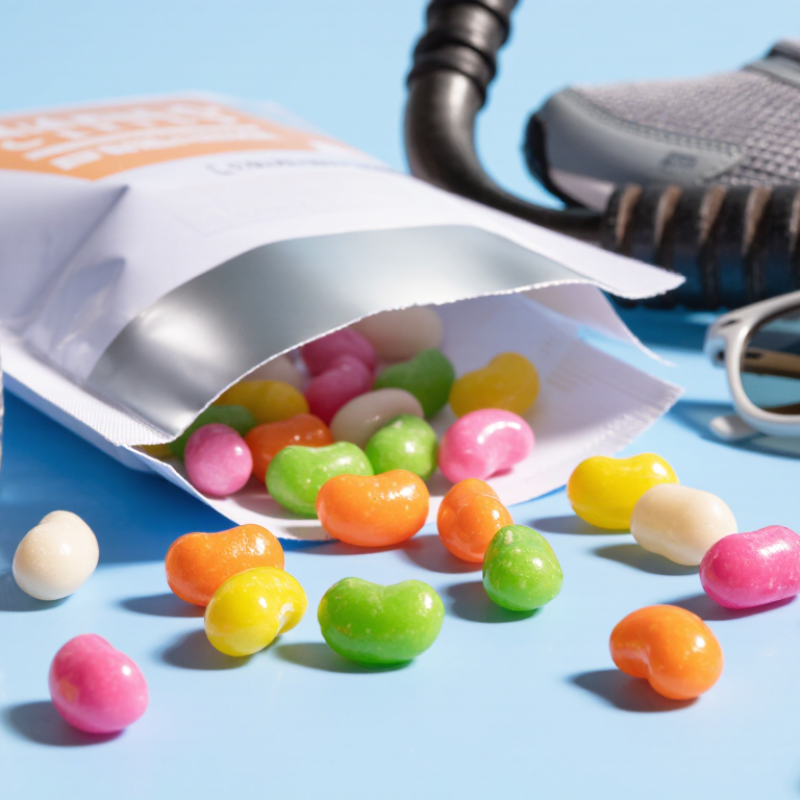
What Is Electrolyte Sport Beans and How Do They Work?

What Are Electrolyte Sport Beans?

Electrolyte sport beans are small, chewy pieces designed for exercise. They usually contain carbohydrates, sodium, and sometimes potassium. The carbohydrates provide quick energy during running, cycling, hiking, or other prolonged activities. Sodium helps replace part of the salt lost through sweat. Potassium supports normal muscle and nerve function, although the amount may vary between products.

Small, chewy, and practical.

Their soft texture makes them easier to eat than a large snack while moving. Some varieties also include caffeine, but athletes should check the label carefully.

These beans work through two simple roles: fuel and fluid-balance support.

Carbohydrates can help maintain energy when exercise lasts beyond about an hour. Electrolytes may be more useful in hot weather or during heavy sweating. They do not replace water, and they cannot correct serious dehydration.

A practical approach is taking a few pieces with water, then noticing how your stomach responds. Eating too many at once may cause bloating or discomfort.

That detail is easy to overlook. People also sweat at different rates, so one serving plan cannot suit everyone.

A salty coating may taste helpful after a long session, but taste is not proof of adequate electrolyte replacement. Reading the nutrition panel, testing the product during ordinary training, and adjusting gradually are safer habits than experimenting on race day.

What Ingredients Do Electrolyte Sport Beans Contain?

Electrolyte sport beans are small, chewable energy snacks designed for exercise. Their main ingredients usually include carbohydrates, sodium, and potassium. Carbohydrates from sugars provide quickly available fuel during running, cycling, hiking, or other prolonged activities. Sodium helps replace some of the salt lost through sweat. Potassium supports normal muscle and nerve function, although its amount is often lower than sodium.

The ingredient list may also contain sodium citrate, potassium salts, natural or artificial flavors, colors, and a gelling agent. Some formulas use pectin, while others may use gelatin. Texture matters during exercise. A soft, easy-to-chew bean can feel more practical than a sticky snack, especially when breathing heavily. I have found that ingredient labels deserve careful attention because “electrolyte” does not guarantee a high mineral content.

Sugar levels vary widely. Some products contain glucose or sucrose, while others use different sweeteners. A carbohydrate blend may help the body absorb fluids and maintain energy, but eating too much can upset the stomach. That part is easy to underestimate. Athletes with diabetes, food allergies, or sensitive digestion should check serving sizes and additives carefully. Caffeine may appear in certain formulations, but it is not an essential electrolyte ingredient. Personal sweat loss, exercise duration, heat, and access to water all affect whether these beans are useful.

What Ingredients Do Electrolyte Sport Beans Contain?

Electrolyte sport beans commonly combine carbohydrates for energy with electrolytes such as sodium, potassium, calcium, and magnesium. The chart shows the U.S. FDA Daily Value reference amounts for these electrolytes in adults and children aged four and older; it is not a representation of any specific product formula.

How Do Electrolyte Sport Beans Work in the Body?

Electrolyte sport beans are compact chews containing carbohydrates and minerals, especially sodium and potassium. Their main job is supporting fluid balance, nerve signaling, and muscle contraction during prolonged exercise. Sodium remains outside cells and helps maintain blood volume. Potassium works mainly inside cells. Together, they help muscles respond repeatedly, although the effect is not instant or magical.

When you chew them, carbohydrates break down into glucose and enter the small intestine. Sodium and glucose can be absorbed together through sodium-glucose transporters. This process may support water absorption as well. During exercise lasting longer than one hour, the American College of Sports Medicine recommends approximately 0.5–0.7 grams of sodium per liter in fluids. Individual sweat losses can vary greatly, however. The National Athletic Trainers’ Association also emphasizes personalized hydration plans rather than one fixed formula. The evidence is useful, but not perfectly individualized.

Tips: Check the sodium and carbohydrate amounts per serving. Pair chews with water, especially in heat. Do not swallow several servings quickly. Test the product during training, not before competition. A simple sweat-rate check can help: weigh yourself before and after exercise, then compare fluid intake. Remember that these chews cannot replace meals or correct every cause of fatigue. Performance may improve, but expectations should remain realistic.

When and How Should Electrolyte Sport Beans Be Used?

Electrolyte sport beans are small, chewable fuel pieces for active people. They usually provide carbohydrates, sodium, and sometimes potassium. The carbohydrates support working muscles, while sodium helps replace some salt lost through sweat. Formulas vary widely. Check the nutrition label carefully.

They are most useful during exercise lasting longer than 60 minutes, especially in heat or heavy clothing. Begin eating after 30 to 45 minutes, rather than waiting until exhaustion appears. Take a few pieces every 15 to 20 minutes. Drink water with them. Small amounts are usually easier on the stomach than one large serving. During a long run, cycling session, or hike, keep the packet accessible in a pocket or waist belt.

Short workouts may not require them. A normal meal and water can often be enough. Use them during training before relying on them in competition. Test one serving first. Some people experience bloating, dry mouth, or nausea, particularly when they eat too quickly. I have learned that “more electrolytes” does not always mean better performance. Sweat rate, weather, pace, and personal health all matter. People with kidney disease, heart conditions, or sodium restrictions should ask a qualified healthcare professional before using electrolyte products.

What Are Their Benefits, Limits, and Safety Considerations?

What Is Electrolyte Sport Beans and How Do They Work?

Electrolyte Sport Beans are small, chewy energy sweets made for exercise. They usually provide carbohydrates, sodium, and sometimes potassium. Carbohydrates can support working muscles during prolonged activity. Sodium helps replace some salt lost through sweat. The product works best with water, not as a substitute for it. The effect is practical, not dramatic.

Their benefits depend on the exercise, weather, and individual sweat rate. A runner training for over an hour may find the portable texture convenient. The small pieces also allow gradual eating, which may feel gentler than drinking a very sweet beverage. However, they cannot repair fatigue caused by poor sleep, insufficient food, or excessive training. They may also provide less sodium than a heavy sweater needs. The easy assumption is that more electrolytes always help. That is not reliably true.

Read the label.

Too much sugar may cause bloating, nausea, or loose stools, especially in heat. People with diabetes should consider the carbohydrate amount carefully. Those with kidney, heart, or blood-pressure conditions should ask a qualified clinician about extra sodium or potassium. Medication interactions can matter too. Never test a new product during an important race. Try a small serving during training, drink according to thirst, and observe cramps, stomach comfort, and energy. Personal response varies, and I would leave room to revise any plan after real-world testing.

FAQS

What are electrolyte sport beans?

They are small, chewable fuel pieces for active people. They usually contain carbohydrates, sodium, and sometimes potassium. Read the label.

When are they most useful?

They may help during exercise lasting longer than 60 minutes. Heat, heavy clothing, and heavy sweating can increase their usefulness.

When should I start eating them?

Begin after 30 to 45 minutes of activity. Take a few pieces every 15 to 20 minutes. Do not wait for exhaustion.

Should I drink water with them?

Yes. Drink water with the pieces. They support hydration routines but cannot replace water.

Are they necessary during short workouts?

Usually, short workouts may not require them. A normal meal and water can often provide enough energy.

What problems can they cause?

Eating too quickly may cause bloating, dry mouth, nausea, or loose stools. Large amounts of sugar can feel worse in hot weather. Go slowly.

How should I test them?

Try a small serving during training. Keep the packet in a pocket or waist belt. Notice your stomach comfort, energy, and cramps.

Who should seek medical advice before using them?

People with kidney disease, heart conditions, blood-pressure concerns, diabetes, or sodium restrictions should ask a qualified healthcare professional. Medication interactions may matter.

Do more electrolytes always improve performance?

No. Sweat rate, weather, pace, health, and diet all influence the result. I might revise my plan after real-world testing.

Conclusion

Electrolyte Sport Beans are small, portable energy chews designed to support physical activity by providing carbohydrates and essential electrolytes. They commonly contain sugars or other quick-energy carbohydrates, sodium, potassium, and sometimes flavoring or texture-enhancing ingredients. The exact formula can vary, so users should read the nutrition label to understand the serving size, calorie content, and electrolyte amounts.

In the body, carbohydrates are broken down into glucose, which can help fuel working muscles during exercise, while electrolytes support fluid balance, nerve signaling, and muscle contraction. Electrolyte Sport Beans may be useful before or during prolonged or intense activity, especially in hot conditions or when sweating heavily. However, they are not a substitute for a balanced diet or adequate water intake. Excessive use may add unnecessary sugar or calories, and people with medical conditions, dietary restrictions, or sensitivity to certain ingredients should consult a healthcare professional before using them.

Emma

Emma

Emma is a seasoned marketing professional with a deep expertise in our company's product offerings. With a keen eye for detail and a passion for effective communication, she frequently updates our website with insightful blog articles that not only highlight the benefits and features of our......