
Official News & Flavor Stories

Jelly Belly® Blog

Discover gourmet jelly bean recipes, flavor pairing guides, company history, and sweet candy inspiration.

0%

Sourcing Caffeinated Energy Sport Beans in bulk requires more than comparing wholesale prices. The right product must balance caffeine content, taste, texture, packaging, and dependable supply. A low unit cost means little if the beans arrive damaged, stale, or poorly labeled.

This guide focuses on practical supplier evaluation. It examines manufacturer experience, ingredient transparency, caffeine dosage, batch testing, and lot traceability. Ask suppliers for current specifications, allergen statements, certificates of analysis, and shelf-life records. Independent testing can add confidence, especially when product claims appear vague. Check whether each package clearly states serving size, caffeine amount, storage conditions, and responsible-use guidance.

Details matter. A sample carton should arrive with readable labels, sealed pouches, consistent coating, and dates that support your sales cycle. Compare minimum order quantities with warehouse capacity, shipping conditions, and expected demand. A supplier may offer attractive pricing but provide limited documentation or slow communication. That is a warning sign.

I have found that careful records prevent expensive misunderstandings. Still, no sourcing checklist is perfect. A spreadsheet may show strong pricing while hiding inconsistent batch quality. Request samples from more than one production run when possible. Review customer feedback, manufacturing controls, and recall procedures before committing to a large order.

The best purchasing decision is not always the cheapest one. It is the choice supported by evidence, clear communication, and realistic quality expectations. Small details protect the larger investment.
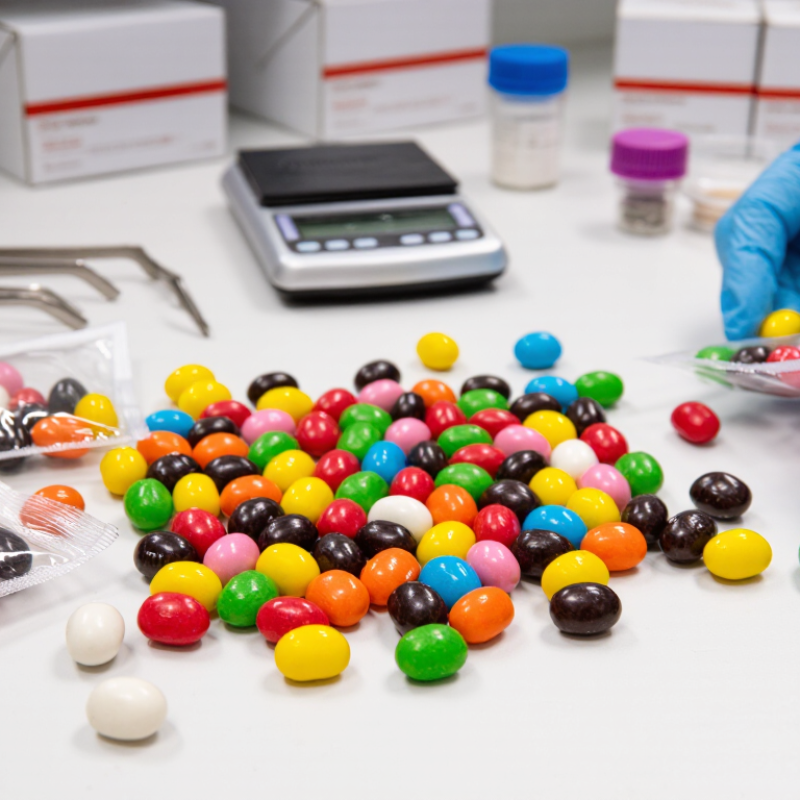
How to Source Caffeinated Energy Sport Beans in Bulk?

Define Product Specs: 50 mg Caffeine and 25 g Carbohydrates per Serving

When sourcing caffeinated energy sport beans in bulk, define the serving before discussing price. Each serving should provide 50 mg of caffeine and 25 g of carbohydrates. These numbers must appear clearly in the product specification sheet. Do not rely on a sales message alone.

Ask for a laboratory report covering caffeine content, carbohydrate analysis, allergens, and microbiological safety. Confirm whether one serving means a fixed gram weight or a certain number of beans. A practical sample might weigh 30 grams, but the final serving size needs testing. Check three production lots, not only one sample. Small variations can affect athlete fueling plans.

Packaging also deserves close attention. Individual sachets can protect freshness during training, while larger bags may reduce shipping costs. Request the manufacturing date, best-before date, storage conditions, and minimum order quantity. I have seen bulk samples perform well but lose texture after extended storage. That result should make buyers cautious. Ask for stability data and retain sealed samples for comparison. Supplier experience matters, but documented controls matter more. Before placing a large order, review the certificate of analysis, approve the flavor and texture, and confirm that every future lot will meet the 50 mg caffeine and 25 g carbohydrate targets. Consistency is the real test.

Verify Caffeine Safety Against the FDA’s 400 mg Daily Guidance

Sourcing caffeinated energy sport beans in bulk starts with a precise caffeine check. The FDA cites 400 mg of caffeine per day as an amount generally not linked with dangerous effects for most healthy adults. It is guidance, not a personal target or universal guarantee. Sensitivity varies with sleep, medication, body size, and regular caffeine use.

Ask each supplier for a current certificate of analysis for the exact production lot. Check the tested caffeine amount per bean, serving, and package. A front label may show only an average value. Independent laboratory testing can confirm caffeine levels, heavy metals, microbes, and ingredient identity. Keep the lot number and testing date with your purchasing records. Small differences matter when one serving contains several beans.

Calculate the daily total from coffee, tea, medicines, and other caffeinated products. For example, six beans containing 25 mg each provide 150 mg before breakfast coffee is counted. Do not rely on “natural energy” wording. Children and teenagers should avoid these products, while pregnant or breastfeeding consumers should ask a healthcare professional about suitable limits. People with heart conditions or caffeine sensitivity need individual advice. My first sourcing checklist overlooked serving-size confusion. I would now request a written serving protocol before approving a bulk order. Cost still matters, but traceability matters more.

Compare Suppliers Using the 3–6 mg/kg Evidence-Based Caffeine Range

How to Source Caffeinated Energy Sport Beans in Bulk?

Compare Suppliers Using the 3–6 mg/kg Evidence-Based Caffeine Range

When comparing bulk sport-bean suppliers, calculate caffeine by body weight, not marketing language. The International Society of Sports Nutrition’s 2021 position stand identifies 3–6 mg/kg as a commonly studied performance range. For a 70 kg athlete, that equals 210–420 mg of caffeine. However, the European Food Safety Authority reports that single doses up to 200 mg generally raise no safety concern for healthy adults. The difference matters.

A supplier should provide caffeine content per bean, serving, and production lot. Request an independent certificate of analysis, assay method, allergen statement, and storage data. Check whether each bean contains 20 mg or 40 mg; that changes serving accuracy quickly. The U.S. Food and Drug Administration cites 400 mg per day as an amount not generally associated with negative effects for most healthy adults, but sensitivity varies. These figures are not personal medical advice.

Tips: Convert the supplier’s laboratory result into mg/kg for your target user. A 60 kg runner needs 180–360 mg within the studied range; a 90 kg cyclist needs 270–540 mg. Do not assume more is better. Review batch variation, damaged packaging, and heat exposure during shipping. I would also test a pilot order before committing to a pallet. Supplier documents can look complete, yet one missing assay date weakens confidence. Pregnant consumers, minors, and caffeine-sensitive users need separate safety review.

How to Source Caffeinated Energy Sport Beans in Bulk?

Compare Suppliers Using the 3–6 mg/kg Evidence-Based Caffeine Range

This chart converts the commonly studied pre-exercise caffeine range of 3–6 mg per kilogram of body mass into total caffeine targets for different athlete weights. When reviewing bulk sport-bean suppliers, compare the stated caffeine per serving with the appropriate body-mass range and verify independent batch testing, serving-size accuracy, and regulatory compliance.

Audit Manufacturing Quality, COAs, GMP Compliance, and Batch Testing

When sourcing caffeinated energy sport beans in bulk, inspect the production system, not just the sample tin. Ask for current manufacturing records, written quality procedures, and evidence of GMP controls. Check how ingredients are received, identified, stored, and weighed. A clean room helps, but traceable records matter more. Small details count.

Request a Certificate of Analysis for each lot, not a generic product sheet. It should identify the batch and report relevant results, such as caffeine content, microbial testing, and ingredient specifications. Confirm which tests were performed in-house and which used an independent laboratory. Look for methods, dates, acceptance limits, and authorized review. Missing data deserves a question.

Ask how finished batches are sampled and released. Compare the COA lot number with the packaging record and production date. Verify that deviations, rejected material, and corrective actions are documented. Request recent batch-test examples with sensitive details removed. Then check whether the supplier can explain any unusual result clearly. Paperwork can look polished. It can still be incomplete. I would also review a retained sample and packaging seals, while admitting that a single sample cannot prove every future batch will match. Keep specifications, audit notes, and approval decisions together before placing a large order.

Calculate Bulk Costs, MOQ, Lead Times, Shipping, and Import Requirements

Bulk sourcing caffeinated energy sport beans starts with a clear product brief. Specify caffeine per serving, bean coating, pack size, shelf life, and required food-safety documents. Ask suppliers for a written quote at several order volumes. Compare unit price, setup fees, packaging costs, and sample charges; a low price can hide expensive custom packaging.

Confirm the minimum order quantity (MOQ) before planning your budget. A supplier may offer a lower unit cost at 10,000 packs, but that only helps if your sales forecast can absorb the stock. Request production and dispatch lead times in writing, including time for label approval and quality checks. For shipping, compare air and sea freight, insurance, duties, and delivery to your warehouse. Import requirements depend on the destination, so check local rules for caffeine labeling, ingredient declarations, and food product documentation with a qualified customs professional.

Tips: Request a pre-production sample and test the seal, flavor, and label details. Get carton dimensions and weight for a realistic freight estimate. Leave room for delays. Estimates change, and I would not treat a supplier’s first timeline as guaranteed.

FAQS

What should each serving contain?

Define one serving clearly. It should provide 50 mg caffeine and 25 g carbohydrates. The numbers must appear in the specification sheet.

How can caffeine and carbohydrate levels be verified?

Request a current laboratory report for the exact production lot. It should cover caffeine, carbohydrates, allergens, microbes, and ingredient identity. One report is not enough.

Does one serving mean a fixed weight or a bean count?

Confirm this in writing before ordering. A serving might weigh 30 grams, but testing must confirm the final amount. Bean size can vary.

How many production lots should buyers test?

Check at least three production lots. Testing only one sample can hide small differences. Those differences may affect fueling plans.

How should caffeine intake be calculated?

Add caffeine from beans, coffee, tea, medicines, and other products. Six beans with 25 mg each provide 150 mg. That is before coffee.

Who should use extra caution with caffeinated products?

Children and teenagers should avoid them. Pregnant or breastfeeding consumers should ask a healthcare professional. People with heart conditions or sensitivity also need individual advice.

What packaging and storage details should be requested?

Ask for individual sachets or larger bags, depending on use and shipping needs. Request manufacturing dates, best-before dates, storage conditions, and stability data. Texture may change.

What costs should be included in a bulk quote?

Compare unit prices, setup fees, packaging, samples, freight, insurance, duties, and delivery. Confirm the minimum order quantity. A cheap quote can become expensive.

What should be checked before approving a large order?

Approve the flavor, texture, seal, label, and pre-production sample. Confirm lead times and future lot consistency in writing. Do not trust the first estimate completely.

Conclusion

Sourcing Caffeinated Energy Sport Beans in bulk starts with clear product specifications. Confirm that each serving provides 50 mg of caffeine and 25 g of carbohydrates, and check that serving size, ingredient information, and packaging meet your needs. When assessing caffeine use, consider the FDA’s guidance that up to 400 mg per day is not generally associated with negative effects for most healthy adults, while recognizing that individual sensitivity varies. Compare serving formats with the commonly cited evidence-based range of 3–6 mg of caffeine per kilogram of body weight, without assuming that more caffeine is always better.

Before placing an order, review each supplier’s manufacturing quality systems, current certificates of analysis, GMP documentation, and batch-testing procedures. Request clear details on minimum order quantities, unit and freight costs, production lead times, shipping arrangements, and any import requirements that apply to your destination. Comparing these factors alongside product consistency and documentation can help you select a dependable bulk source and plan purchases with fewer unexpected costs or delays.

Sophia

Sophia

Sophia is a dedicated marketing professional with a deep expertise in our company's offerings. With a keen understanding of market dynamics and consumer needs, she has become an invaluable asset in communicating the unique benefits of our products. Sophia frequently updates our professional blog,......