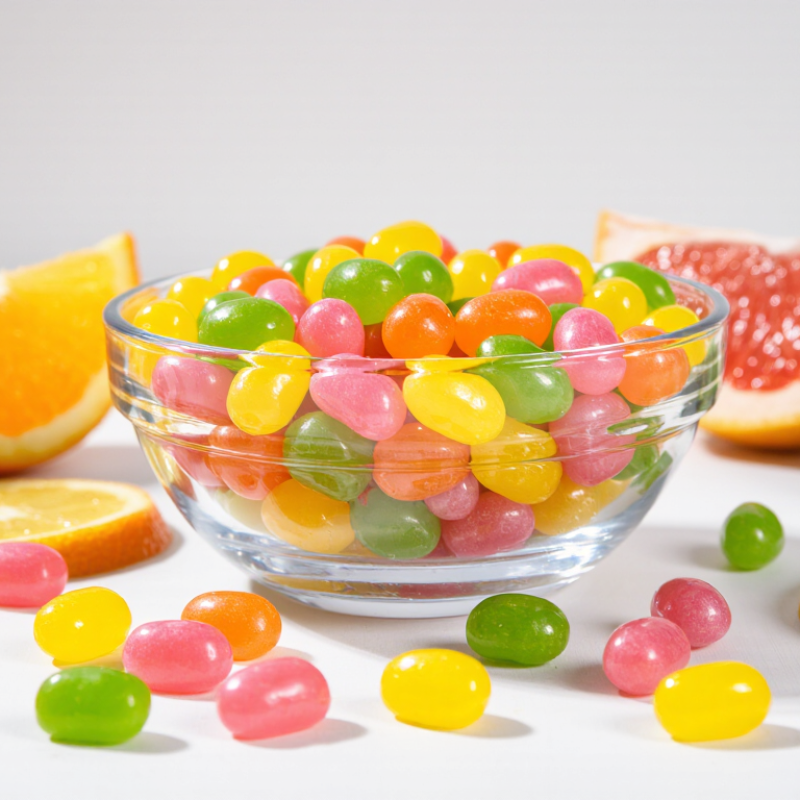
Sunkist Citrus Jelly Beans are colorful, fruit-flavored candies inspired by familiar citrus notes. They may appeal to shoppers who enjoy lemon, orange, lime, or grapefruit-style sweets. The beans usually offer a firm sugar shell and a softer center. Exact flavors can vary by package, retailer, or production period. That detail matters.
This guide explains what Sunkist Citrus Jelly Beans are, how their flavor profile may compare with other jelly beans, and where shoppers can look for them. Online marketplaces, specialty candy stores, seasonal aisles, and selected grocery retailers may carry them. Availability is not always consistent. Some listings may be old, imported, or temporarily unavailable, so checking the product photo, size, seller information, and expiration details is sensible.
Read the label carefully. Packaging should identify the manufacturer or licensed producer, ingredients, allergens, net weight, and country of origin. Product formulas can change, and “citrus” does not automatically mean every flavor is present. A retailer’s description may also contain mistakes. Trust the package more than a vague listing.
The article will also discuss practical buying tips, including price comparisons, shipping conditions, and signs of reliable sellers. Candy can melt or become sticky in warm delivery vehicles. That is easy to overlook. A small amount of research can prevent disappointment, especially when purchasing a hard-to-find seasonal item. Personally, I would treat flavor descriptions as guidance, not a guarantee, because taste preferences and batches differ.
What Are Sunkist Citrus Jelly Beans?
Citrus jelly beans are small, chewy sweets with a bright fruit flavor and a firm sugar shell. Their taste often suggests orange, lemon, lime, or grapefruit. Each piece may begin crisp, then soften into a dense, elastic center. The texture is more noticeable than many people expect. It can feel slightly sticky after several pieces.
The flavor usually combines sweetness with mild citrus sharpness. Orange tends to taste round and juicy, while lemon may seem cleaner and more tart. Lime can leave a sharper finish. These candies work well in snack bowls, gift jars, and colorful dessert decorations. They are also convenient for travel because they need no refrigeration. Still, the flavor balance is not always consistent. Some batches may taste more sugary than fruity, which is worth considering before buying.
For dependable information, read the current package label rather than relying on older descriptions. Check the ingredient list, allergen statement, weight, and freshness date. Online candy retailers, supermarket confectionery aisles, and specialty snack shops may carry them. Availability can change by season and location. Compare seller reviews and packaging photos before ordering. A sealed package, clear product details, and a reasonable delivery date are practical signs of a safer purchase.
How Are Sunkist Citrus Jelly Beans Made and Flavored?
Citrus jelly beans begin with a sugar-based syrup, usually containing sugar, glucose syrup, starch, and food-grade acids. Manufacturers cook the mixture until it reaches a controlled concentration. The hot mass is then deposited into starch molds. After cooling, each center becomes chewy and firm. A polished sugar shell follows. It is a slow process.
Flavoring happens in layers. Lemon, orange, lime, and grapefruit notes may come from natural extracts, aroma compounds, or both. Citric acid adds sharpness, while colors create visual cues for each flavor. Natural citrus oils can be volatile, so producers often add them after intense heating. Otherwise, much of the aroma may disappear. That detail is easy to miss.
The National Confectioners Association reported that U.S. confectionery sales exceeded 48 billion dollars in 2023. Its 2024 industry report also showed continued strength in non-chocolate candy. Circana’s 2024 confectionery review similarly identified value growth across the category, although inflation affected purchasing behavior. These figures explain the appeal of small, portioned sweets. Still, sales data cannot prove flavor quality. Texture varies between batches, and “natural flavor” does not always mean a fresh-squeezed taste. Check the ingredient panel, allergen statement, and manufacturer’s storage guidance before buying.
What Are Citrus Jelly Beans and How Are They Flavored?
Citrus jelly beans are sugar-coated soft candies made from a cooked sugar syrup, a gelling ingredient, flavoring, coloring, and a polished outer shell. Citrus flavor can come from fruit juice concentrates, citrus oils, or natural flavor extracts. The pH range of the citrus juice influences its acidity and contributes to the bright, sour taste commonly associated with lemon, lime, orange, and grapefruit flavors.
What Citrus Flavors and Varieties Are Available?
Citrus jelly beans are small, sugar-coated sweets with a chewy center and bright fruit flavors. The usual varieties include orange, lemon, lime, and grapefruit. Tangerine and mandarin versions may also appear in mixed bags. Some assortments add blood orange or yuzu-inspired notes, though availability can change by season and retailer.
Orange usually tastes sweet and familiar, with a soft marmalade character. Lemon brings sharper acidity and a cleaner finish. Lime feels greener, cooler, and slightly more intense. Grapefruit is different. It may combine sweetness with a mild bitter edge. I find it more interesting, but not always easy to enjoy. Tangerine flavors are often gentler than orange, with a floral aroma and lighter tang. Color can suggest the flavor, but it is not reliable. A yellow bean may taste lemony, while another may contain artificial citrus flavoring.
When comparing varieties, check the ingredient panel and flavor description on the package. Natural citrus oils, concentrated juice, and added acids can produce noticeably different results. Texture matters too. Fresh jelly beans should feel springy, not hard or sticky. Online candy shops, supermarket confectionery aisles, and seasonal gift displays commonly carry citrus mixes. Smaller packages are useful for testing unusual flavors before buying a large bag. My own preference changes with the blend; too much grapefruit can overpower delicate lemon and mandarin notes.
Where Can You Buy Sunkist Citrus Jelly Beans?
Citrus jelly beans are easiest to find through large online candy marketplaces, specialty confectionery stores, and supermarket websites. Search the exact product name, then compare pack size, shipping cost, and the seller’s recent reviews. Availability changes quickly, especially around Easter and other seasonal periods. Some listings may show old photographs, so check the product description carefully.
The National Confectioners Association reported in its 2024 State of Treating report that 92% of American households purchased candy during the previous year. That broad demand supports wide online distribution, but it does not guarantee steady stock for a niche citrus variety. Try grocery delivery platforms, regional supermarket chains, and independent candy shops. Physical stores may place jelly beans near seasonal displays rather than in the regular candy aisle.
Look for sealed packaging, a visible best-before date, and clear storage information. Citrus flavors can lose their sharper aroma when exposed to heat, so avoid listings with damaged bags or unclear warehouse details. Marketplace prices also vary more than expected. A cheaper bag may carry expensive delivery fees. I would compare the final checkout total, not only the shelf price. Stock information can be imperfect, too. A listing marked “available” may still be delayed or substituted. Save the seller’s contact details before ordering.
What Is Sunkist Citrus Jelly Beans and Where to Buy? - Where Can You Buy Sunkist Citrus Jelly Beans?
| Information Category |
Details |
| Product type |
Sugar-coated jelly beans with a chewy, soft-centered confectionery texture. |
| Flavor profile |
A citrus-focused assortment typically associated with orange, lemon, lime, and grapefruit-style flavors. |
| Texture |
Firm, lightly crisp outer shell followed by a tender and chewy center. |
| Typical ingredients |
Sugar, corn syrup or glucose syrup, modified food starch, citric acid, natural or artificial flavorings, and food coloring. The exact ingredient list can vary by package. |
| Common dietary characteristics |
Usually a fat-free candy, but the package label should be checked for the current nutrition facts, allergen statement, and any facility-related warnings. |
| Serving information |
Nutrition values depend on the package size and serving size. Use the printed label on the individual package for accurate calorie and sugar information. |
| Packaging formats |
Common formats include resealable bags, smaller single-serve packs, and multipack assortments. Package size and format may change by retailer. |
| Best places to look |
Check the candy aisle, seasonal confectionery section, bulk-candy area, and online candy retailers. Search by the full product name and flavor assortment. |
| Online availability |
Online stock can vary because specialty candy products may be sold seasonally or in limited quantities. Compare package size, freshness information, shipping cost, and seller ratings before purchasing. |
| In-store availability |
Availability depends on location, store size, seasonal promotions, and local inventory. Calling ahead or checking the retailer’s online inventory can save time. |
| Storage advice |
Keep the package sealed and store it in a cool, dry place away from direct sunlight and excessive heat. |
| Availability note |
Varies by retailer Product selection, package size, price, and stock should be confirmed at the time of purchase. |
How Should Sunkist Citrus Jelly Beans Be Stored?
Citrus jelly beans keep their texture best in a cool, dry cupboard. The USDA FoodKeeper database classifies commercially packaged candy as pantry-stable, with quality commonly lasting about one year when unopened. That period is practical guidance, not a guarantee. Check the printed date, packaging seal, and surface appearance before eating.
Heat is the main problem. Store the bag below 21°C if possible, away from sunlight, ovens, and radiators. The FDA Food Code uses 0.85 water activity as an important safety threshold for many foods; low-moisture sweets usually resist microbial growth better than moist snacks. However, sugar can still absorb humidity. A sealed container helps prevent sticky shells, faded colors, and clumped pieces. Add a small food-safe desiccant only if the package instructions allow it.
After opening, press out excess air and close the pouch tightly. An airtight glass or food-grade plastic container works better than a loosely folded bag. Refrigeration is usually unnecessary and may create condensation during removal. I once stored similar candy beside a kettle; the pieces became tacky within days. That was avoidable. If the jelly beans smell unusual, show moisture damage, or develop cracked coatings, discard them. Storage advice can be imperfect because formulas and packaging differ, so the product label should take priority.
Conclusion
Sunkist Citrus Jelly Beans are small, colorful candy pieces designed to capture the bright, refreshing taste of citrus fruit in a chewy jelly bean form. They are typically made by creating a soft, flavored center, adding a smooth sugar coating, and finishing each piece with a citrus-inspired color and aroma. The result is a convenient treat that combines sweetness with tangy fruit notes.
Available varieties may include lemon, lime, orange, grapefruit, and other citrus combinations, depending on the product selection. Shoppers can look for Sunkist Citrus Jelly Beans in grocery stores, candy shops, specialty food retailers, and online marketplaces. To preserve their flavor and texture, store them in a cool, dry place away from direct sunlight, heat, and moisture. Keeping the package tightly sealed after opening can also help prevent the jelly beans from becoming hard, sticky, or less flavorful.