Jelly Belly® Blog
Discover gourmet jelly bean recipes, flavor pairing guides, company history, and sweet candy inspiration.
China Top BeanBoozled Challenge Candy Suppliers?
Table of Contents
- Understanding BeanBoozled Challenge Candy and Its Market in China
- Types of Chinese Suppliers and Sourcing Channels
- How to Evaluate Supplier Reliability and Product Authenticity
- Food Safety, Labeling, and Import Compliance Considerations
- Comparing Pricing, Minimum Orders, and Delivery Options
- FAQS
- Conclusion
- Related Posts
Finding reliable China-based suppliers for BeanBoozled Challenge Candy takes more than comparing prices. Buyers need to confirm what each supplier actually offers: genuine branded products, authorized distribution, or similar novelty candies. Those are not interchangeable. A clear product listing, recent packaging photos, and a written specification can reveal important differences before samples are ordered.
Details matter. Ask about ingredient and allergen information, batch identification, shelf life, storage conditions, and available quality records. Check whether the supplier can provide documents that support its claims, and verify that product labeling and import requirements suit your destination market. Requirements vary, so confirm them with the relevant authorities or a qualified specialist. A polished catalogue is useful, but it is not proof of consistent production. Request samples and compare the printed label, package seals, flavor assortment, and delivery condition against the agreed specification.
This guide outlines practical ways to assess potential suppliers, compare quotations, and spot gaps in communication. It also explains why low prices may come with trade-offs in packaging, lead time, or documentation. No single supplier is right for every buyer. Some details may remain unclear until a sample or factory record is reviewed; that uncertainty deserves attention, not guesswork. With careful checks, importers, retailers, and event planners can make more informed sourcing decisions and reduce avoidable surprises.
Understanding BeanBoozled Challenge Candy and Its Market in China
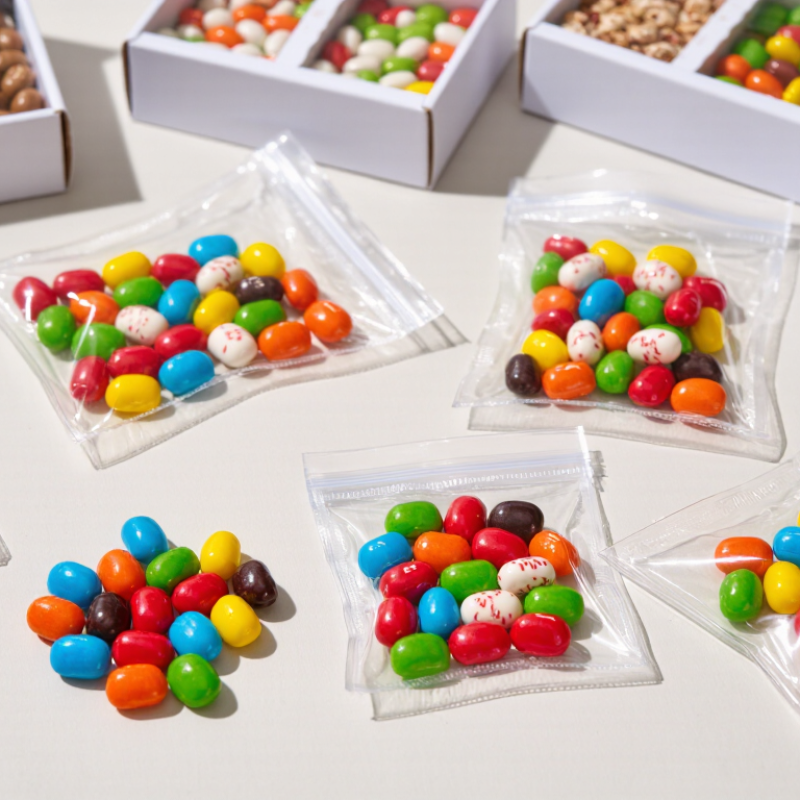
BeanBoozled-style challenge candy pairs familiar-looking jelly beans with sharply different flavors. A red bean might taste fruity, while its twin carries a savory or unusual note. The contrast makes each pick feel uncertain. That surprise drives group games, short videos, and party-table conversations. It is playful, but not for everyone.
In China, interest may come from younger shoppers, gift buyers, and retailers seeking interactive sweets. Demand can vary by city, season, and online platform, so suppliers should test small batches before expanding. A useful sample check includes flavor consistency, bean texture, color stability, and whether the pouch seals cleanly after opening. Small details matter. Buyers should also review ingredient lists, allergen statements, shelf-life information, and Chinese-language packaging with qualified specialists. These checks support clearer product descriptions and fewer surprises at delivery. Supplier claims deserve verification; glossy photos alone are weak evidence. Taste preferences can also differ more than expected, and a strange flavor may amuse one group but disappoint another. That is worth testing. Requesting samples and checking production records can help buyers judge quality, though no single review guarantees a smooth launch.
Types of Chinese Suppliers and Sourcing Channels
Chinese suppliers for novelty jellybean challenge candy generally fall into three groups. Direct confectionery manufacturers offer the closest control over recipes, colors, and production schedules. Some can develop unusual flavor pairs, while others work only from established formulas. Ask for a written product specification before discussing price. It should identify flavor profiles, piece size, ingredient list, packaging format, and minimum order quantity.
Trading companies can combine candy, printed cartons, and shipping coordination, which may help smaller buyers. However, confirm whether they own production or subcontract it. Wholesalers are useful for ready-made products and smaller trial orders, but customization is usually limited. Check samples carefully. Compare aroma, texture, seal quality, and flavor consistency across several pieces. One sample is not enough.
Common sourcing channels include supplier directories, food trade fairs, referrals, and regional sourcing agents. Directories help build a shortlist, but listings alone do not verify factory capability. Request recent production photos, facility details, and batch records, then arrange a video call or independent factory visit when practical. Ask how complaints and rejected batches are handled. A tidy sample room can impress, but it does not prove consistent mass production. I would also confirm lead times in writing; this step is easy to overlook.
China BeanBoozled-Style Candy Sourcing: Supplier Types & Channels
A practical due-diligence checklist for comparing supplier models—not supplier counts, market shares, or survey results.
How to use this chart: Apply the same five checks to every supplier type: verify the business identity, establish the supplier’s role and production facility, review food-safety documents, confirm product and labeling specifications, and check export and shipping records.
Common sourcing channels: B2B marketplaces, trade fairs, direct outreach to manufacturers, and sourcing agents. A trading company or agent may represent a separate factory, so verify the actual producer and request relevant documentation.
How to Evaluate Supplier Reliability and Product Authenticity
When sourcing novelty jelly bean challenge candy from China, judge suppliers by evidence, not polished product photos. Ask for a current product specification, ingredient and allergen details, production dates, and clear photos of sealed cartons. Check that the flavor list, packaging, and batch codes match across documents. Small inconsistencies deserve a follow-up question.
Tips: Request a sample from the same production run you plan to order. Compare its seal, print quality, texture, and flavor labels with the approved sample. Ask how the candy is stored and shipped, and whether the supplier can trace a batch to its production records. Keep replies and purchase terms in writing.
Reliability also shows in ordinary details. Does the supplier answer specific questions, explain lead times, and provide references that can be checked independently? A low quote alone proves little. Nor does a professional website prove authenticity. If documents seem incomplete, pause before paying; even experienced buyers can miss a mismatch when reviewing files quickly. Third-party inspection may help with larger orders, though it adds time and cost. Decide what evidence is proportionate to your order, and do not treat one reassuring sample as a guarantee of every carton.
China Top BeanBoozled Challenge Candy Suppliers? - How to Evaluate Supplier Reliability and Product Authenticity
Supplier evaluation framework: Use the same evidence and scoring rules for each candidate. The suggested thresholds below are screening benchmarks, not claims about any specific supplier. Do not award points for unsupported statements.
| Evaluation Dimension | Weight | Evidence to Request or Verify | Suggested Screening Standard | Score (1–5) |
|---|---|---|---|---|
| Product authenticity and traceability | 25% | Invoices and upstream sourcing records; product and case photographs; lot or batch identifiers; written confirmation of the seller’s supply route. | Require a traceable chain of supply and consistent lot information. Where possible, verify sourcing claims through the relevant rights holder or authorized channel. Packaging appearance alone is not proof of authenticity. | _____ / 5 |
| Business identity and operating history | 15% | Business registration details, registered address, operating contact information, and records showing how long the business has traded. | Check that the legal entity, address, payment beneficiary, and contract details are consistent. Resolve discrepancies before placing an order. | _____ / 5 |
| Food safety and regulatory documentation | 15% | Applicable food-business permits or registrations, product specifications, ingredient and allergen information, and any relevant safety or conformity documents. | Confirm documents are current, relevant to the product and selling market, and issued to the named business or appropriate upstream party. Requirements vary by destination. | _____ / 5 |
| Labeling and product information | 10% | Clear images of all package panels; ingredient list, allergen declarations, net quantity, date and lot markings, storage instructions, and destination-market labels where applicable. | Check that information is legible and consistent across samples, cartons, and shipping documents. Confirm local-language and import-label requirements for the destination market. | _____ / 5 |
| Storage, shelf life, and handling | 10% | Written storage conditions, remaining shelf-life details, stock rotation procedure, warehouse handling information, and shipment packaging plan. | Obtain the manufacturer’s applicable storage guidance and compare it with the supplier’s handling plan. Agree in writing on minimum remaining shelf life at dispatch or delivery. | _____ / 5 |
| Sample and order consistency | 10% | Pre-order samples, sample lot details, product photographs, and written specifications for the production or shipment lot. | Compare received goods with the approved sample and agreed specifications. Record differences in product, packaging, lot details, or condition before accepting bulk delivery. | _____ / 5 |
| Commercial terms and payment safeguards | 5% | Formal quotation, purchase contract, payment beneficiary details, refund or dispute terms, and stated remedies for shortages or nonconforming goods. | Ensure product description, quantity, price, delivery terms, inspection process, and remedies are written into the order documents. Treat pressure for unusual payment arrangements as a risk signal. | _____ / 5 |
| Communication and order performance | 5% | Response records, confirmed lead times, order updates, shipping documents, and references or verifiable records of comparable completed orders. | Assess whether answers are prompt, specific, and consistent. After a trial order, compare actual dispatch and delivery performance with the written schedule. | _____ / 5 |
| Total weighted score | 100% | Calculate each row as: score ÷ 5 × weight. Add the weighted results for a total out of 100. Suggested internal guide: 80–100 = proceed to due diligence and a controlled order; 60–79 = resolve gaps before ordering; below 60 = do not proceed without substantial verification. | ||
Food Safety, Labeling, and Import Compliance Considerations
China can be a practical sourcing base for novelty challenge candies, but supplier selection should begin with food-safety evidence, not a low quote. Ask for the complete ingredient list, allergen controls, production-site details, and recent batch test reports. Check that reports match the exact product and lot being offered. A polished certificate alone proves little.
Request samples from the intended production line. Inspect wrappers for intact seals, readable lot codes, and consistent portions. Then confirm how the supplier controls flavoring ingredients, color additives, and cross-contact risks. Keep records of specifications and changes. Small changes matter.
Import labeling needs separate review for each destination market. Ingredient names, allergen declarations, nutrition panels, language, and required warnings may differ. A translated label is not automatically a compliant label. Have a qualified local reviewer compare the artwork with current requirements before printing large runs.
Also confirm shelf-life evidence, storage conditions, shipping temperatures, and traceability procedures. Ask how a recall would identify affected cartons. The importer may carry responsibilities that a factory’s export paperwork does not cover.
Paperwork can look tidy; it can still leave gaps. I would treat unanswered questions as a reason to pause, even when the samples taste right.
Comparing Pricing, Minimum Orders, and Delivery Options
When comparing China-based suppliers of surprise-flavor challenge candy, request a dated quotation with the same specifications. Compare price per piece, carton quantity, packaging, and any setup charges. A low unit price can look attractive until custom printing or inner packaging is added. Ask whether the quote includes export cartons. Details matter.
Minimum order quantities vary with flavor selection and packaging. Some factories may accept a smaller trial order using standard packaging, while custom designs can require a higher commitment. Request a paid sample, then check flavor consistency, seal quality, and ingredient and allergen information. Confirm the sample matches the production specification. It may not, so keep written records.
Delivery options can include air freight for urgent, smaller shipments and sea freight for larger orders with more flexible schedules. Ask for the estimated production time separately from transit time, and confirm who arranges customs paperwork and final delivery. Compare quotes using the same destination and shipping terms. A spreadsheet helps, but it can still miss storage costs or delays. Ask for tracking details and a clear process for reporting damaged cartons before placing a bulk order.
FAQS
Ask for current specifications, ingredient and allergen details, production dates, and clear photos of sealed cartons. Compare batch codes, flavor lists, and packaging across the documents. A polished website is not proof.
Request a sample from the intended production run. Compare its seal, print quality, texture, portion size, and flavor labels with the approved sample. Keep the specification and supplier replies in writing. One sample cannot guarantee every carton.
Request production-site details, allergen controls, and recent test reports for the exact product and lot. Ask how flavorings, color additives, and cross-contact risks are managed. Small changes matter.
Check ingredient names, allergen declarations, nutrition panels, language, and required warnings. Requirements can differ by market. Ask a qualified local reviewer to check the artwork before printing a large run.
Request dated quotations using identical specifications. Compare price per piece, carton quantity, packaging, setup charges, and export cartons. A low unit price can rise with custom printing. Details matter.
Minimums may depend on flavor choices and packaging. Standard packaging may allow a smaller trial order, while custom designs may require more units. Confirm that the sample matches the production specification; it may not.
Separate production time from transit time. Compare air and sea freight using the same destination and shipping terms. Confirm who handles customs paperwork, final delivery, tracking, and damaged-carton reports.
Ask whether batches can be traced to production records and how affected cartons would be identified during a recall. Check references independently and keep terms in writing. Even a careful review can miss a mismatch.
Conclusion
BeanBoozled Challenge Candy has attracted interest in China as shoppers and event organizers look for playful sweets that combine unusual flavors with a guessing-game experience. Buyers can explore several sourcing routes, including domestic confectionery wholesalers, food importers, and business-to-business platforms. Each channel may differ in product selection, communication, order flexibility, and delivery arrangements, so the best option depends on the buyer’s needs and sales plans.
Before placing an order, verify a supplier’s business credentials, request clear product and packaging information, and confirm that items are genuine and appropriately stored. Review ingredient lists, allergen details, Chinese-language labeling, and applicable food import and sales requirements. Compare quoted prices alongside minimum order quantities, shipping costs, lead times, and return or damage policies. Looking at total cost and supplier transparency—not just the unit price—can help buyers make a more informed decision and reduce sourcing surprises.

Blog Tags: